
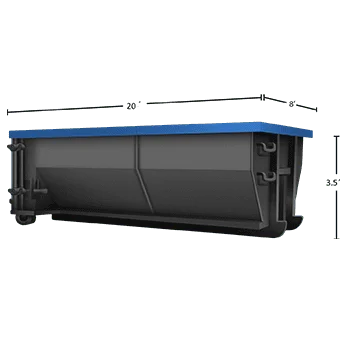
Compare usable capacity and loading conditions
A roll-off is a container delivered and collected by a dedicated vehicle. Ask about the proposed container’s dimensions, usable capacity and loading method. A familiar size label should not replace checking whether it fits the material and the working space.
Weight and volume are separate considerations. Dense debris can reach a loading restriction before filling a large container. Describe heavy materials and request the applicable load limits rather than assuming unused visible space means more weight can be added.
Provide a workable truck approach
Explain the entrance, surface, available maneuvering room and overhead obstacles. Ask for the provider’s receiving requirements for the actual container and vehicle. Keep the approach available for collection as well as delivery.
Salem’s street rules address permission for placing materials on the traveled public way. If your proposed position uses a road, shoulder or sidewalk, confirm the applicable arrangement with the Town’s Engineering Division. An excavation permit is not automatically a permit for every container placement.
Load and return it under the agreed terms
Ask about door use, fill level, prohibited items and material separation before loading. Keep loads within the provider’s rules and do not allow others to add unknown waste. Agree who will check the contents and request collection when the job finishes.
Choose Dumpster Rental in Get a Quote with the address, material and dates. Ask how extensions or an exchange would work if needed. A container remaining on site after the expected finish does not automatically establish an agreed additional rental period.