
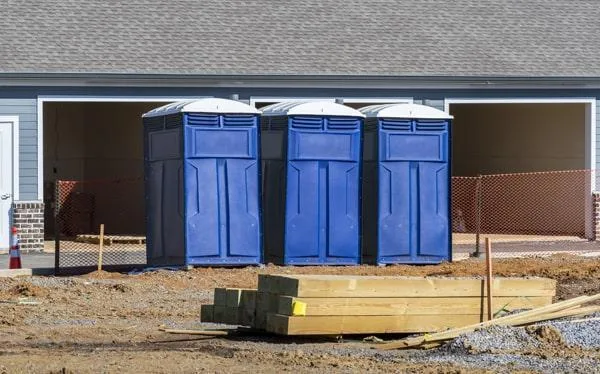
From the equipment list to actual positions
An order should identify what is arriving and where each item is intended to go. A cluster near a shared break area may serve one job, while separate occupied work zones need a different discussion. Explain those areas to the rental contact before the equipment is dispatched.
The receiving supervisor should have the agreed list and be able to resolve placement questions. Include standard toilets, any accessible model and washing as separate items. This prevents a washing point or a particular access requirement being lost in a general instruction to deliver toilets.
A usable location has two kinds of access
Workers need a practical pedestrian approach, room at entrances and usable controls. The service vehicle also needs an agreed way to reach the equipment. Describe ground conditions, gates and obstacles so both uses can be considered; an empty space is not automatically a suitable toilet position.
Keep the area clear during the job. Parking a vehicle against a door or stacking materials in the service approach can make a previously usable arrangement fail. Request coordination before moving the units, even if the new position looks close to the old one.
Make the handover part of the rental
Ask how to report a damaged fitting, low supplies or a unit that cannot be used. The contact managing routine site checks should know the service arrangement and the correct rental reference. Reporting an operating problem is different from asking for additional equipment.
For a quote, provide the address, job dates and receiving contact. Explain any fixed access window without assuming it is already accepted. Confirm final access for collection, particularly if the worksite gates or responsibility for the property will change at handover.